
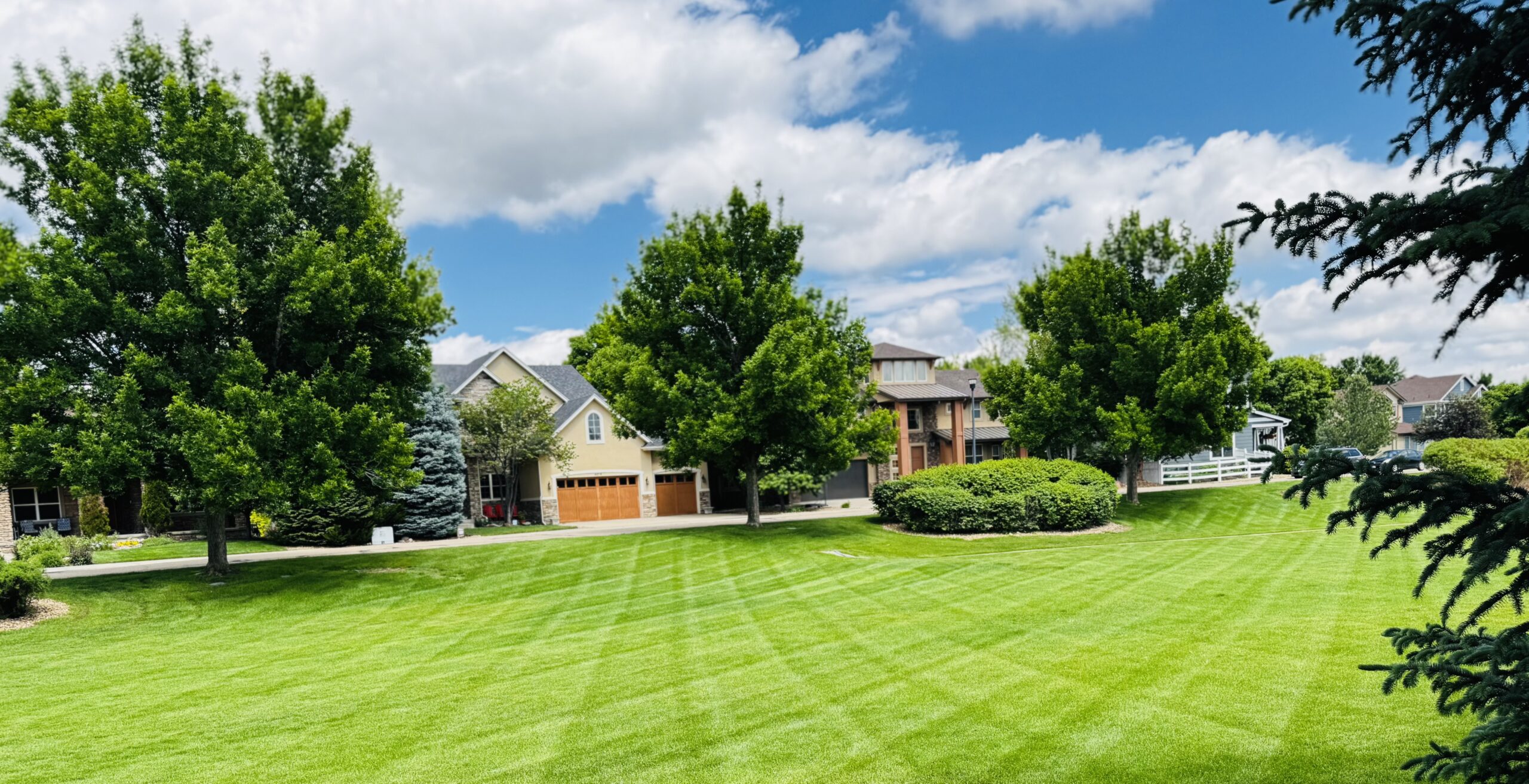
As someone on a journey for values aligned living, I find myself constantly checking everything I do. A self-imposed grading system for my own life. At times this can be helpful and a positive guide, other times it can make me scrutinize the simplest of things. When we moved from the city to a 100-acre farm on the Regenerative World Quest (Quest), it felt so aligned. But when we moved off the farm and into a quintessential suburban neighborhood in Longmont CO it felt off…at first.
Now to set the record straight, this is a temporary and intentional move to enable us to do immersive research into regenerative living on a global scale. This next year our family will experience a different type of community living to help gain insights into both suburban and rural application of regenerative solutions. After years living in the city, to one year on a 100-acre farm, and then three months in Costa Rica, we are now focusing on suburban, and rural America. In fact, the next ten research sites for the Quest will be in the U.S.A– yes regenerative living is alive and well in America, just not evenly distributed or widely known.
Regenerative living is not just for tree huggers living in the woods in mud huts. It can be very comfortable and luxurious if everything is in #RightRelationship. So, as we search the globe for best practices of regenerative living, the focus continues to be local application of the knowledge we are gaining. How do we apply regenerative principles in an urban, rural, and suburban setting as well as everything in between?
It is one thing to figure this out with 15 people on a 100-acre plot of land where everyone values the same thing and wants to live in a regenerative way. Or to start a community from scratch infused with living solutions, but that is not always accessible or replicable. The current U.S. census estimates that about 85% of Americans live in an urban or suburban setting (and all this infrastructure is already built). So, the big questions are “How do we do urban and suburban living in a regenerative way?”. “How do we retrofit and evolve our current homes, buildings, communities, and cities for the changing climate, in a way that prevents further harm?”.

In a suburban context, where homes often come with backyards and local communities, there are myriad ways to integrate regenerative practices. Typically characterized by detached houses, perfect lawns, and long driveways, suburban living offers space and accessibility while providing the easy and comfort of community amenities.
This way of life is often designed to include high resource consumption, extensive water usage for lawns and gardens, car dependency and land use/development that disrupts natural habitats and ecological systems (i.e. rainwater movement on non-porous surfaces, wildlife corridors), and reliance on external supply chains for food, clothing, utilities etc. How do we flip these consumptive practices into solutions and share what’s working with others?
Longmont is actively working towards this and has made great strides. In fact, earlier this year it was the first city in the United States to be named a United Nations Resilience Hub recognizing the city’s leadership to building a stronger, safer community that is more resilient to natural disasters.
City Manager Harold Dominguez shares that “This honor reflects years of innovative planning, teamwork across all levels of government, and a steady focus on protecting our community’s future.” Peter Gibbons, the city’s Recovery Officer acknowledges that “This recognition isn’t just about what we’ve done. It’s also a promise to keep learning, leading, and supporting others as we build a more resilient world.” The focus on resiliency, continual improvement, knowledge sharing and learning provide a foundation for regenerative development in the region.
Longmont sources its energy from Longmont Power & Communications (LPC), a municipal utility, and the city aims for a 100% renewable energy supply by 2030 (currently at 50%). The city is also working with Platte River Power Authority to increase its renewable energy portfolio, including exploring options like battery storage. Residents can utilize curbside composting and recycling, and they figured out how to make the trash bins smaller and recycle/compost bigger- finally. But hey, if you don’t like that residents can change their bin size and pick up frequency easily online. The city offers municipal internet (access to information is key) and has a focus on regenerating green spaces with native plantings, pollinator gardens and wildlife corridors.
The takeaway message here is that cities like Longmont are starting to figure it out and lead the way making it easier and easier for residents to engage in regenerative living. This is just the start and while Longmont has made great progress as a city, there are many things you can do to live the solutions yourself…here are some:
- Turn Your Lawn into an Edible Garden:

Most suburban homes feature expansive lawns, which can be converted into productive gardens. Transform front and back yards into permaculture gardens that mimic natural ecosystems by incorporating native plants, companion planting, and edible gardening practices. This not only reduces water consumption but also fosters biodiversity by attracting beneficial insects and wildlife.
Incorporate edible plants into landscaping designs: from fruit trees to vegetable beds, these can provide food, enhance local ecosystems, and create a more sustainable food supply chain within the community. Composting lawn clippings and kitchen waste can enrich the soil, ensuring that the garden is both fertile and sustainable. This practice not only provides fresh produce but also fosters a connection with nature and self-sufficiency. Ditch the lawn and grow your own food! If you need a local group to help with this reach out to our friends at Drylands Agroecology Research and they can help guide you or even do it for you!
2. Implementing Rainwater Harvesting Systems:
Suburban homes with sloped roofs are ideal for rainwater harvesting systems. By installing rain barrels or more sophisticated systems, residents can collect rainwater for garden irrigation, reducing reliance on municipal water supplies. This process not only conserves water but also educates the community on the importance of resource management. Rather than managing water to get off your landscape and into storm drains, how can you slow and spread the movement of water through your entire property? You can check out this home we toured in Costa Rica that is 100% rain-water-fed and supplies a family of three all their water each year! #WaterisLife
3. Supporting Local Wildlife:
Creating habitats for local wildlife is another regenerative practice that can be adopted in suburban areas. Planting native species in gardens supports local bees, butterflies, and birds. Building birdhouses, bee hotels, and bat boxes can also provide shelter and increase biodiversity, turning a suburban backyard into a thriving ecosystem. Be careful not to buy plants sprayed with neonicotinoids usually sold at Home Depot or Lowes. These will kill the pollinators and do more harm- if they are not marked ask the store before you buy. #HumansrArePartofNature
4. Participating in Community Energy Projects:

Many suburban communities are beginning to invest in renewable energy sources. By participating in community solar or wind projects, residents can tap into clean energy and reduce their carbon footprint. Additionally, installing solar panels on individual homes can further advance energy independence and sustainability.
Consider changing out your major appliances for all electric ones to get ready for a renewable grid (water heaters, heat pumps, stoves/ovens etc.) Find out what is available in your area and get electrified! #RenewableEnergy!
5. Encouraging Local Community Involvement:
Regenerative living isn’t just an individual endeavor; it’s a communal one. Suburban neighborhoods can host workshops, swap meets, or community gardens to educate and engage residents. By collaborating with neighbors, residents can create a culture of care and resilience, making regenerative living an integral part of the community’s identity. Ask questions about what matters to your community and share your ideas about regenerative living. Consider strategizing on disaster preparedness and identify the key resources, knowledge and skills in your direct area. When disaster strikes it helps to know who and where to go for what support. This could also inspire community activism and gather support to contact elected officials, city planners, and HOAs to incorporate a living-solutions framework. #CommunityActivism
Embracing regenerative living in suburban settings not only reduces environmental impact but also brings the community together with shared goals of sustainability and ecological responsibility. This balance of comfort and conscientious living ensures that suburbs can evolve into resilient neighborhoods supporting both people and the planet.
This way of living is possible and is already alive and well all over the world. When I describe my vision for humanity I usually hear “Brenna that is great and all, but it is a utopian future thousands of years away, if possible, at all”. After hearing this multiple times I started to research it and found that in fact there are over 10,000 communities around the world already living in a regenerative way, right now in 2025. It is possible and it is already here, just not evenly distributed or widely known.
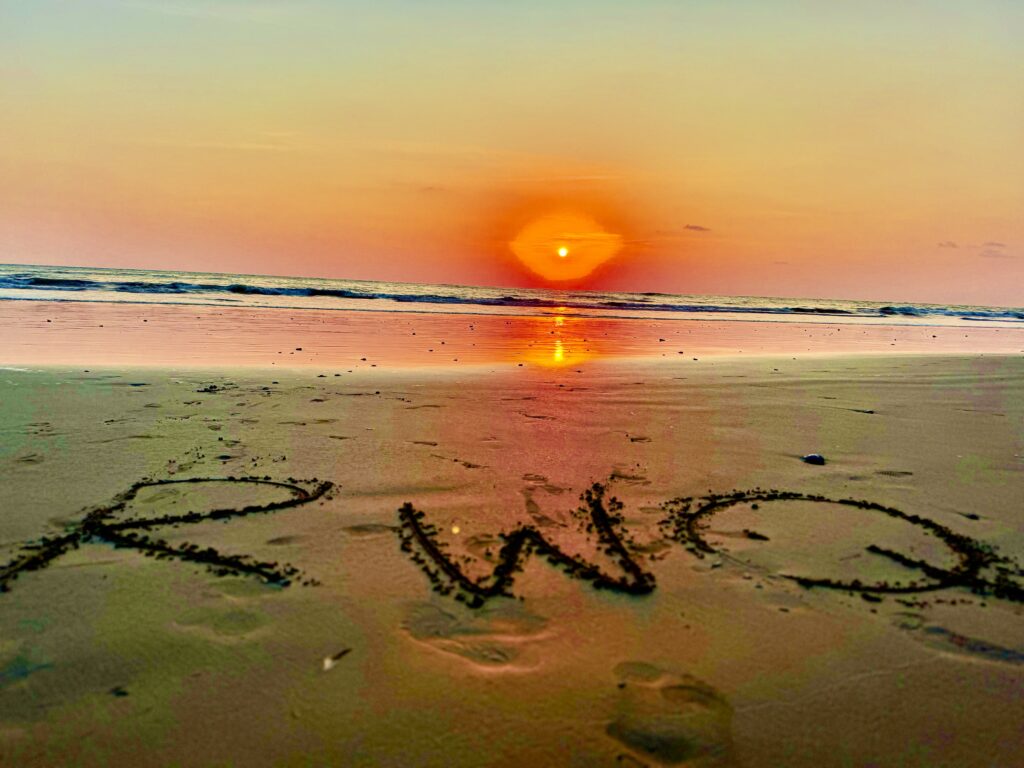
This was part of the impetus to start The Regenerative World Quest. It is an immersive research project to study, and uplift communities all over the world that are living in a regenerative way. We will explore their successes, challenges, and create a database of scalable solutions to design human systems that are healthier and more resilient.
Regenerative means to heal and regenerative living is an indigenous way of living. By honoring indigenous wisdom, and modern innovations, the Quest seeks to uplift and replicate best practices globally to craft a blueprint for shared prosperity on a healthy planet. The Quest has a three phased business plan.
- Phase one is immersive-international research, and network cultivation.
- Phase two is content creation and knowledge sharing.
- Phase three is implementation of scalable solutions through the lens of regenerative real-estate development and applied consulting with intentional communities.
Follow along on the journey on Facebook, LinkedIn, Instagram or YouTube @The Regenerative World Quest.
Let me know what regenerative practices you have implemented in your life, I’d love to hear about it!
With Love from the Quest,
Brenna

Extensive and fabulous!
Will need to read more carefully on the plane! See you soon!!!!